The Science of Sunlight
Sunlight is the most ordinary thing in the world, and one of the least understood. We describe it in lux, lumens and colour temperatures, yet more than half of the energy the sun sends us is light we cannot see.
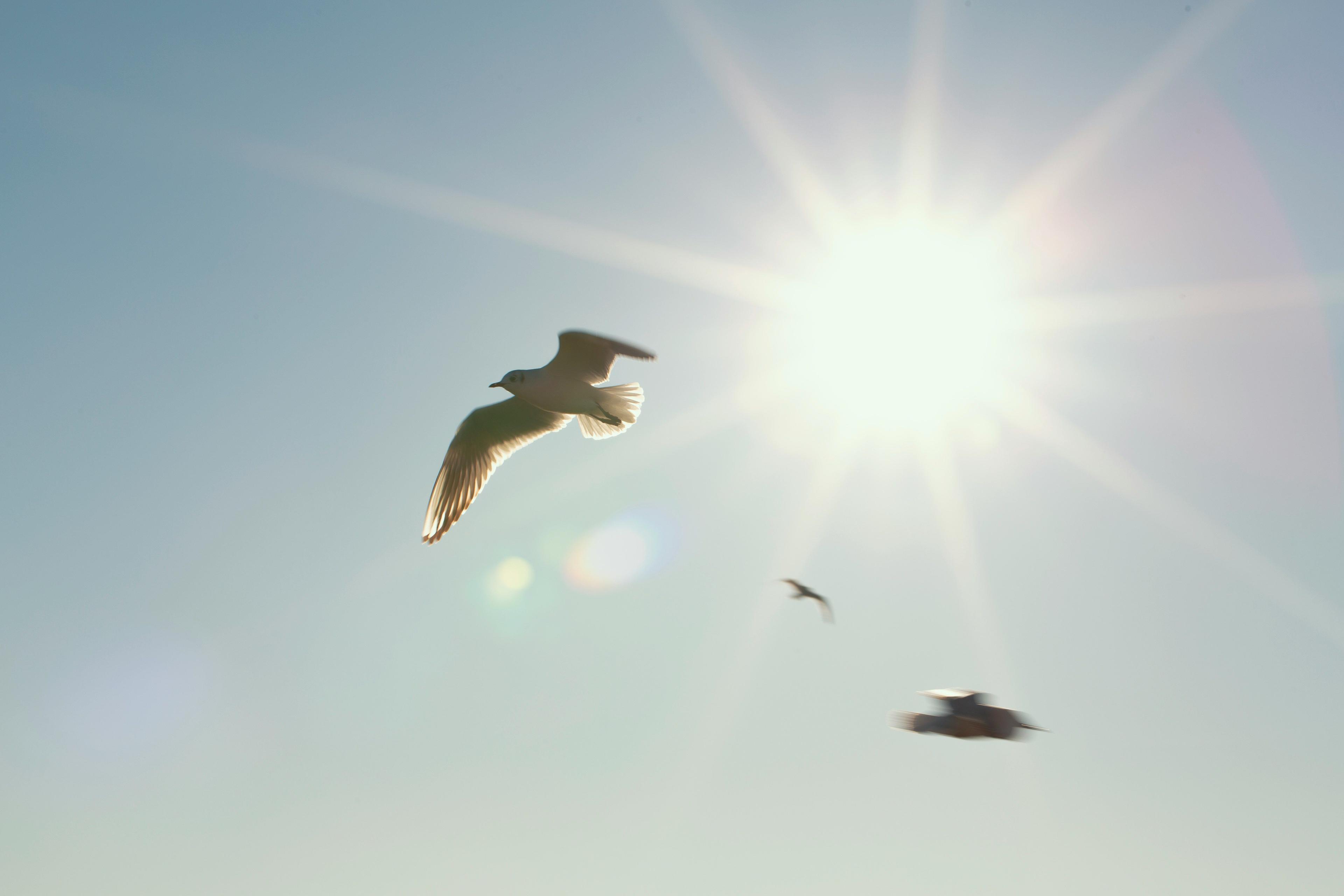
This is our reference library on light: what it is, where it comes from, how it is measured, and what happens when it meets living things. Each entry explains one term in plain language, without cutting scientific corners, and links to related entries, so you can follow a question as far as you like.
Start at the beginning with What is light?, or go straight to the term you came for.
What is light?
What light is, where it comes from, and what else the sun sends towards us.
Light Basics
Where sunlight comes from
What else the sun sends
The last mile: through the atmosphere
Light Sources
Radiometric Light Theory
Measures light as energy, in watts, across every wavelength, whether or not the eye can see it
Radiometric quantities
Sunlight by the numbers
The physics behind the spectrum
Measuring radiation
Visible Light Theory
Lumen, lux and candela, how colour is described, and what these units leave out.
How the eye sees light
Photometric units
Measuring light
UV Light and Biology
The UV bands, how a single photon drives chemistry in skin, how vitamin D forms, and what UV does to skin and eyes
The UV bands
UV exposure
Visible Light and Biology
Visible light lets us see, but the eye does more than form images.
The body clock
IR Light and Biology
The infrared bands, how deep different wavelengths reach into the body, and why not all heat sources are alike.